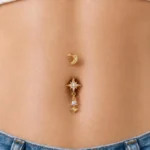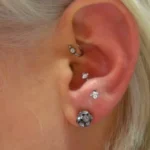


Hey, friend, if you’re thinking about getting a piercing, don’t hesitate—just go for it. Body piercing has become a trendy way for many young Americans today to express their unique style; it’s unconventional and stands out from the crowd. Since you’ve had this idea, it means you’re ready to make a change—so why not take the plunge?
If you have a lot of concerns about body piercing that are holding you back from taking the next step, then follow along with me. In the next article, I’ll share some important tips for beginners to keep in mind when it comes to body piercing.
What are the different types of body piercings?
I’ll briefly outline the different types of body piercings. Aside from the most familiar ear cartilage and earlobe piercings, there are actually many piercing locations that are suitable for beginners, make a bold style statement, and are relatively easy to care for. You can easily move beyond traditional earrings and find styles that better suit you.
Common and popular non-ear piercings are mainly divided into facial piercings and niche piercings: common facial piercings include nose studs, eyebrow studs, lip studs, lip rings, and dimple studs; less common but widely accepted options include navel studs, tongue studs, back-of-the-hand studs, and collarbone studs. The styles conveyed by different locations vary greatly: nose studs are delicate and understated, eyebrow studs exude a cool, edgy vibe, lip studs are versatile and unique, while navel studs are better suited for those who prefer a “spicy girl” style or skin-baring outfits. You can choose based on your personal everyday style.
Choosing Safe Piercing Jewelry
When it comes to body piercing, safety is the top priority and the most important consideration for everyone. It’s not just about choosing a reputable studio to ensure a safe piercing process; you must also make sure to use piercing jewelry made from safe materials.
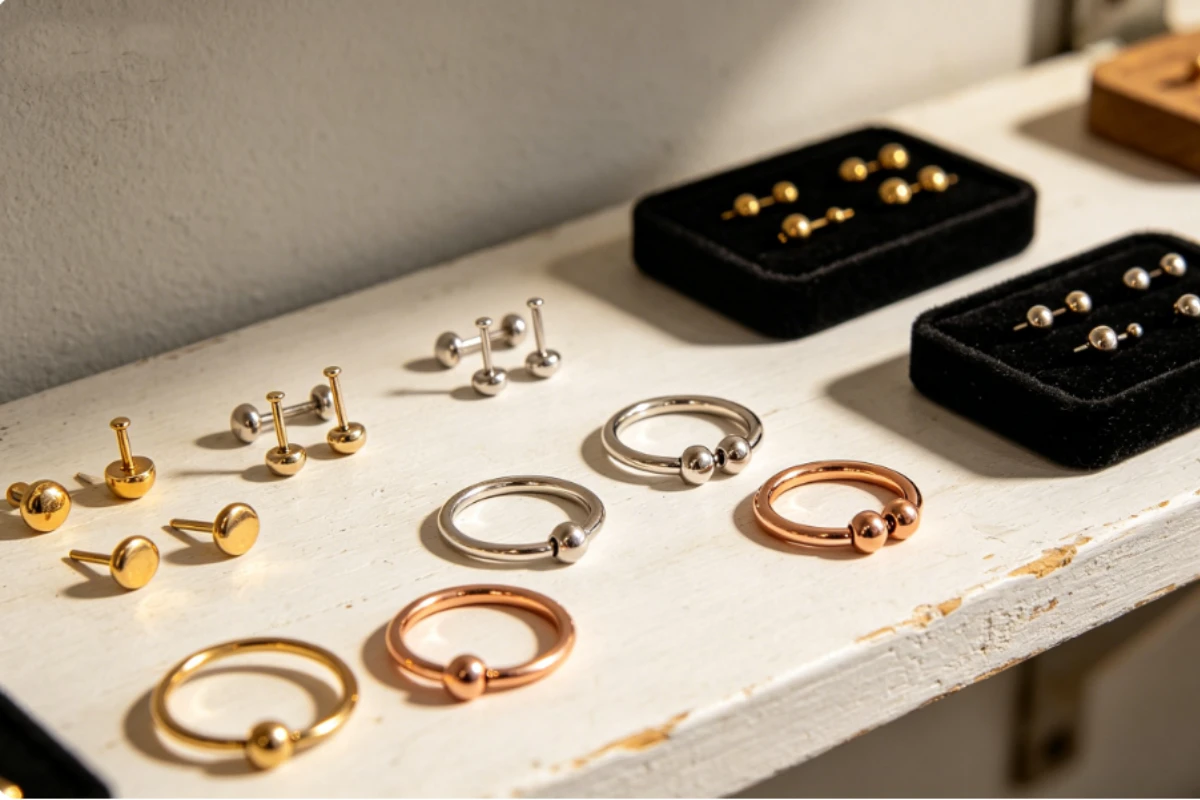
The material and style of the jewelry directly affect healing speed and the risk of allergic reactions, so you must never choose them carelessly. Beginners should prioritize hypoallergenic materials such as medical-grade titanium, 14K and 18K pure gold, and bioplastic. These materials are comfortable to wear and less likely to cause inflammation or allergic reactions, making them suitable for delicate skin and fresh piercings.
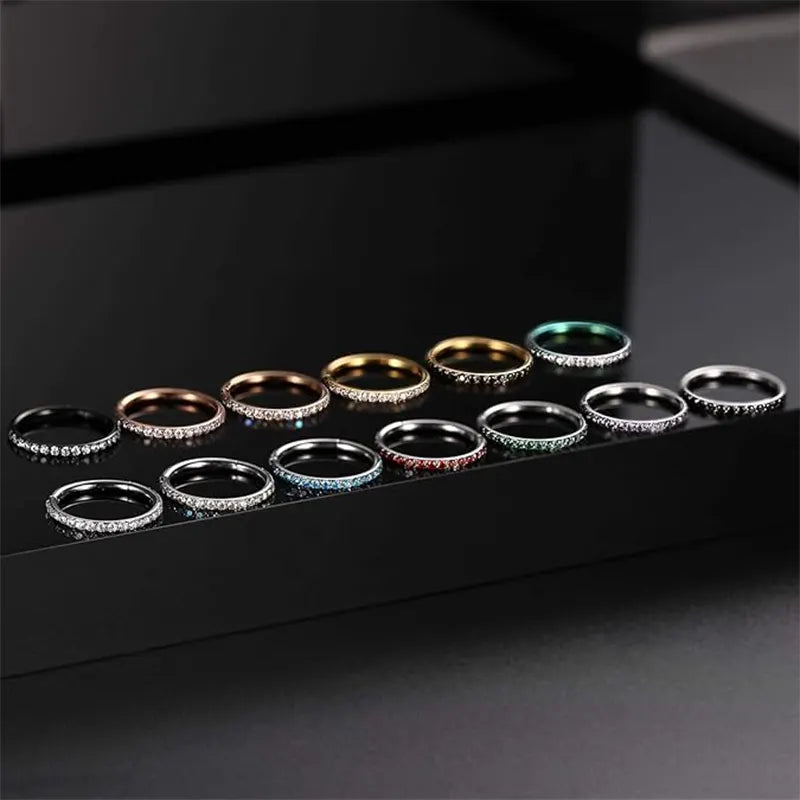
Avoid jewelry made of alloys or silver-plated materials whenever possible, as these materials are prone to discoloration and bacterial growth, and may even lead to prolonged healing or scarring. In terms of style, beginners are advised to choose basic studs or small hoops that fit snugly over the piercing site. Avoid heavy jewelry or oversized, flashy designs from the start, as these can pull on the wound and prolong the healing process.
Decide where to wear your first piercing
Before getting officially pierced, be sure to finalize the placement based on your lifestyle, work requirements, and ability to care for the piercing.
If you need to wear a mask daily or your job has strict dress code and grooming requirements, a septum piercing or a lip ring that’s too noticeable may not be practical. Eyebrow studs are close to the eyes and can easily be bumped while washing your face or applying makeup, so they require extra care. Nose studs are small and discreet, heal quickly, and have minimal impact on daily life, making them suitable for most work environments. Lip studs are located around the mouth, so extra care is needed when eating and cleaning, but they offer great styling versatility. Navel studs are best suited for people with firm abdominal skin who do not engage in vigorous exercise, as repeated friction from clothing can hinder healing.
For beginners looking to avoid mistakes, I recommend choosing a nose piercing for your first time. The area of the nasal cartilage has fewer nerve endings, so the pain from the piercing will be less than in other areas (if you’re afraid of pain, choosing this will make you feel very relaxed!). Additionally, nose jewelry comes in small sizes like 6mm and 8mm, and the healing period after piercing is the shortest. If you’re a working professional and don’t want to draw too much attention after getting a nose stud, you can use a plastic nose ring to protect the piercing site. This also helps maintain a professional appearance without affecting your work. When you get off work and want to reclaim your unique style, simply swap it out for more statement pieces—like gothic jewelry such as large dark-themed bat earrings—to showcase your distinctive fashion sense. It’s all very convenient, isn’t it?
No matter which piercing jewelry you ultimately choose, if you’re worried the final result might not meet your expectations, you can first use a sticker to simulate the look at the desired piercing site. Then, consult with a professional piercer to confirm whether your skin thickness and nerve distribution are suitable for piercing, thereby reducing the likelihood of discomfort later on.
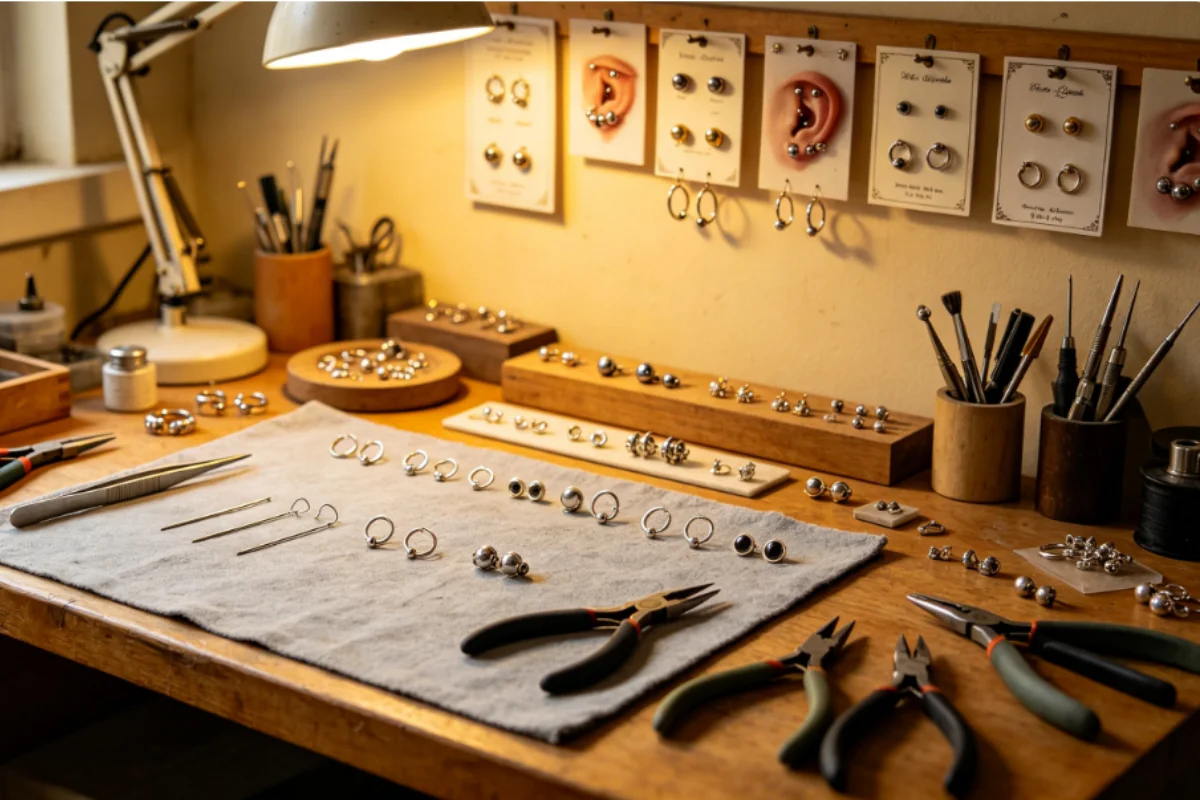
Adjust your mindset
Often, even when people have made all the necessary preparations, they tend to back out at the last minute. Indeed, many piercing enthusiasts, upon seeing the neatly arranged needles, the piercing machines gleaming with a cold metallic sheen, and smelling the scent of disinfectant in the studio, feel afraid even before the procedure begins. They fear the pain they are about to face, leading them to cancel their piercing appointment at the last minute. This is perfectly normal, and there’s no harm in backing out once. If you truly want to embrace body piercing to transform your appearance, you must stay determined and prepare yourself mentally. Trust that the anesthetic and sedatives will help minimize the pain, and believe that this minor procedure won’t cause you significant suffering or harm.
In the end, you’ll find that the piercing process is actually quick—it’s over in a flash—and the pain is fleeting. These are all based on my own personal experiences with body piercing. However, for piercings like tongue rings or nipple rings—which are more advanced—I recommend being extra prepared, as they are significantly more painful than basic piercings (such as eyebrow, nose, or lip piercings).