
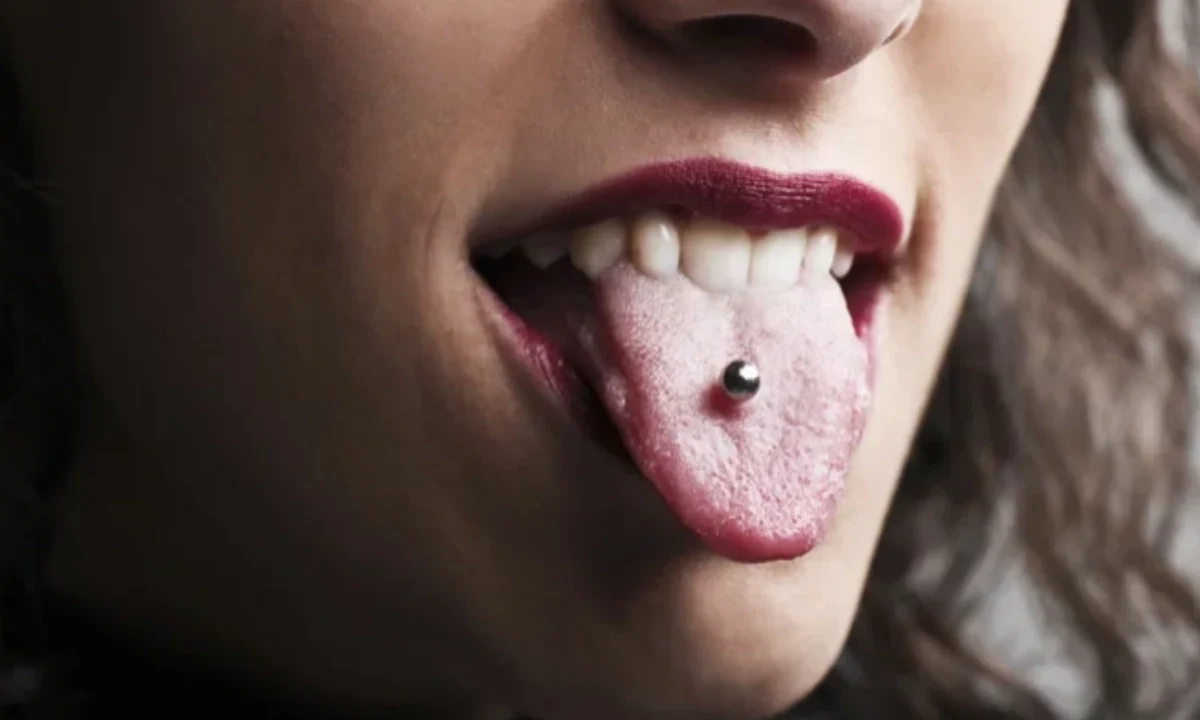
Oral piercings look bold, unique, and irresistibly eye-catching—but they also heal differently from piercings on the body. The mouth is a moist, high-movement environment, which means complications can develop faster than most people expect.
Among the most common issues are embedding and nesting, two problems that sound similar but aren’t identical.
If you have a tongue piercing, lip piercing, cheek piercing, or any oral piercing—or you’re planning to get one—understanding these risks will help you avoid pain, scarring, and unnecessary jewelry removal.
What Is “Embedding” in Oral Piercings?
Embedding happens when part of the jewelry—usually the disc or ball—begins to sink into the surrounding tissue.
In some cases, the jewelry can even become fully covered by skin or mucosa. This is a situation you never want to ignore.
Common Causes of Embedding
Embedding often happens when:
- The initial post is too short (the most frequent cause)
- Significant swelling occurs after the piercing
- The piercing experiences pressure from chewing or biting
- You accidentally sleep on the jewelry, pushing it inward
- The angle of the piercing restricts natural movement
- The jewelry material is too light or too thin
Because oral piercings swell considerably in the first few days, proper jewelry length is essential.
What Is “Nesting”?
Nesting is similar—but not as severe—as embedding.
It refers to when the back disc of a labret stud (or the ball on certain tongue jewelry) creates a shallow indentation in the skin.
This often looks like:
- The disc sits in a tiny “pocket”
- The jewelry seems flush with the skin
- The indentation is stable, not actively swallowing the jewelry
Nesting is often harmless and predictable—especially for lip piercings—but it still needs monitoring to avoid turning into embedding.
How to Tell the Difference
| Feature | Nesting | Embedding |
|---|---|---|
| Appearance | Disc sits slightly in a shallow pocket | Jewelry sinks deeply into tissue |
| Pain Level | Usually minimal | Often painful, swollen, or tender |
| Severity | Mild, common | Serious, requires attention |
| Can it heal on its own? | Usually yes | Rarely—requires professional help |
If the jewelry begins to disappear beneath the skin, that is no longer nesting.
Early Warning Signs
Pay attention to these symptoms:
- Jewelry suddenly feels tight
- Swelling increases instead of decreasing
- The disc becomes partially or fully covered
- Sharp pressure or discomfort while eating
- A “trapped” sensation under the tissue
- Difficulty removing the jewelry
If you notice any of these, take action quickly.
Why Oral Piercings Are Prone to These Problems
The mouth heals fast, but it also reacts strongly to irritation. Factors that increase risk include:
- Constant movement (speaking, chewing)
- High blood flow and soft tissue
- Smoking or vaping
- Playing with the jewelry
- Wearing jewelry that’s too short, too thin, or incorrect in style
Unlike body piercings, even small mistakes escalate quickly in oral piercings.
How to Prevent Embedding and Nesting
You can dramatically reduce risks by following these steps:
1. Start With Proper Jewelry Length
Your piercer should use a longer barbell or labret stud during the initial swelling period.
Once swelling goes down, downsizing is essential.
2. Avoid Pressuring the Piercing
- Don’t chew on the jewelry.
- Don’t sleep face-down.
- Avoid pulling your lips in tightly during the first few days.
3. Monitor Swelling Daily
If the post starts to feel snug, contact your piercer immediately.
4. Stick to High-Quality Materials
Implant-grade titanium or gold is recommended.
Cheap jewelry increases irritation—and therefore swelling.
5. Schedule a Downsize
Around week 3–6 (depending on piercing type), have the bar shortened by a professional piercer to prevent nesting from becoming embedding.
What to Do If You Suspect Embedding
Don’t try to remove embedded jewelry yourself—it can cause tearing, bleeding, or full closure around the piece.
Instead:
- Contact a professional piercer immediately.
- Apply a cold compress to reduce swelling.
- Avoid saltwater rinses until instructed (they can irritate exposed tissue).
- Be prepared for the piercer to replace the jewelry with a longer bar or remove it entirely.
Early intervention often saves the piercing.
When Nesting Is Normal—and When It Isn’t
A little nesting behind the lip is extremely common.
But it becomes a concern if:
- The disc sinks deeper over time
- The tissue looks inflamed or shiny
- You feel constant pressure or discomfort
When in doubt, show your piercer—they’ll know exactly what stage your piercing is in.
Final Think
Embedding and nesting are two issues every oral-piercing lover should understand.
With the right jewelry length, proper aftercare, and attentive monitoring, you can avoid most complications and enjoy a beautiful, well-healed piercing.
And if something feels wrong, trust your instincts—early care is always easier than fixing a complication later.