

Many people have noticed that when the weather gets hot, wearing a necklace often leaves a sweat stain around the neck. However, when it comes to wearing piercing jewelry like earrings, lip studs, or eyebrow studs, we often don’t seem to notice anything unusual. In reality, since this type of piercing jewelry is in daily contact with the skin or mucous membranes, over time it can accumulate sebum, sweat, bacteria, and even makeup residue. If not cleaned properly, this can not only affect the appearance of your jewelry but may also lead to odors, irritation, or even infection.
To keep your piercings safe and comfortable, try reading this guide to help you establish a simple, sustainable cleaning routine.
Why Should You Clean Your Piercing Jewelry Regularly?
Piercings are typically performed on sensitive areas of the body where the skin is delicate, so long-term wear of piercing jewelry often makes it difficult to clearly sense discomfort or itching. Visually, many people assume, “If it doesn’t look dirty, it doesn’t need cleaning.” However, in reality, sebum and sweat form a film on the surface of the jewelry. Areas like behind the ears and the inside of the lips are particularly prone to bacterial growth. If left uncleaned for extended periods, this can lead to unpleasant odors, inflammation, itching, and other issues. Cleaning your jewelry helps reduce the risk of infection and extends the lifespan of your jewelry.
Recommended Cleaning Frequency
Of course, the approach to cleaning piercing jewelry varies depending on the stage of healing. You should adjust the cleaning frequency based on your individual circumstances to ensure more comfortable and worry-free aftercare for your piercing.
Immediately After Piercing (Healing Phase)
Immediately after the piercing is completed, the piercing site is fragile and sensitive, so it is not recommended to remove the jewelry frequently for cleaning. For the external area, gently wipe it 1–2 times a day using a medical cotton ball dipped in saline solution. For the internal area (if it is a lip or oral piercing), use a mild mouthwash. For other body piercings, only external cleaning is necessary. Note that you should clean the piercing site itself, not remove the jewelry to clean it.
After Full Healing
By this stage, the piercing has fully healed, and you can adjust the cleaning frequency based on how often you wear the jewelry. If you wear it daily and rarely remove it, cleaning once every 1–2 weeks is recommended. If you exercise frequently (and tend to sweat) or wear makeup often, cleaning once a week is recommended. If you only wear the jewelry on specific occasions and leave it off for extended periods, be sure to clean it before putting it back on.
Different Materials Require Different Cleaning Methods
While cleaning frequency is important, it’s also crucial to use the appropriate cleaning method for each type of piercing jewelry material.
Titanium Jewelry (Highly Recommended)
Among all materials, titanium piercing jewelry is the most skin-friendly and suitable for those with sensitive skin. Many titanium and titanium-silver jewelry designs are both stylish and safe, making them popular with most people. Of course, medical-grade titanium jewelry offers the greatest peace of mind and is the easiest to clean. Simply wash with warm water and mild soap, or soak in saline solution. It is resistant to oxidation, so there is no need to worry about cleaning it for too long.
Stainless Steel Jewelry
Stainless steel is the hardest material among all jewelry materials; it is resistant to deformation and can be worn for extended periods. It also has excellent corrosion resistance, so stainless steel piercing jewelry can be cleaned with a mild neutral detergent and warm water. However, care should be taken to avoid prolonged exposure to humid environments, as this may cause it to lose its luster.
Silver Jewelry
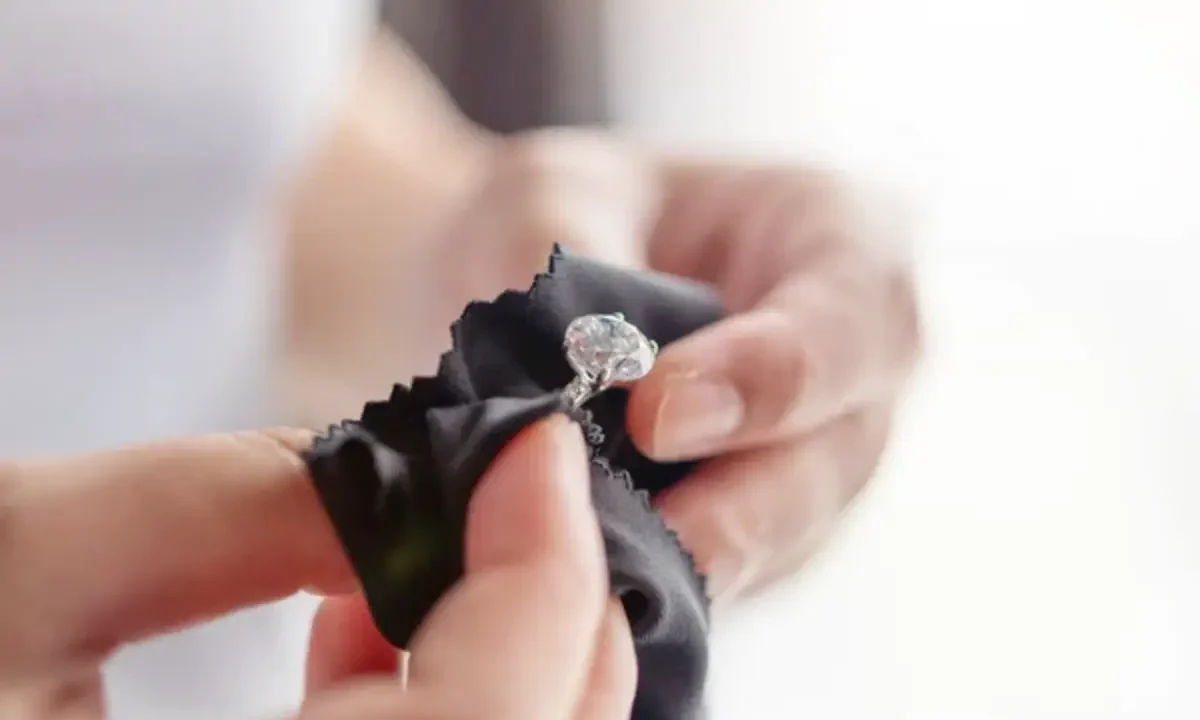
When purchasing silver piercing jewelry, a specialized silver polishing cloth is usually included; if not, you can purchase one separately for cleaning. After wiping away dust, use a specialized silver cleaner to remove hidden bacteria from the jewelry. Although silver is a hypoallergenic material, it oxidizes and tarnishes easily, requiring more frequent care.
Proper Cleaning Steps (General Method)
Step 1: Ensure your hands are clean and hygienic; wash them first to avoid transferring bacteria to the jewelry
Step 2: Adjust the water temperature to lukewarm before rinsing (you can also fill a basin with lukewarm water). Rinse off surface dirt first.
Step 3: Wipe gently. Use mild soapy water or saline solution to gently clean the details by hand or with a soft brush (you can also pour the prepared mild soapy water or other cleaning solution into an ultrasonic cleaner and place the jewelry inside to clean).
Step 4: Thoroughly rinse the jewelry to ensure no cleaning solution remains.
Step 5: Dry completely with a clean paper towel or soft cloth. Place pierced jewelry in a well-ventilated area to air dry naturally or in direct sunlight.
Cleaning Methods to Avoid
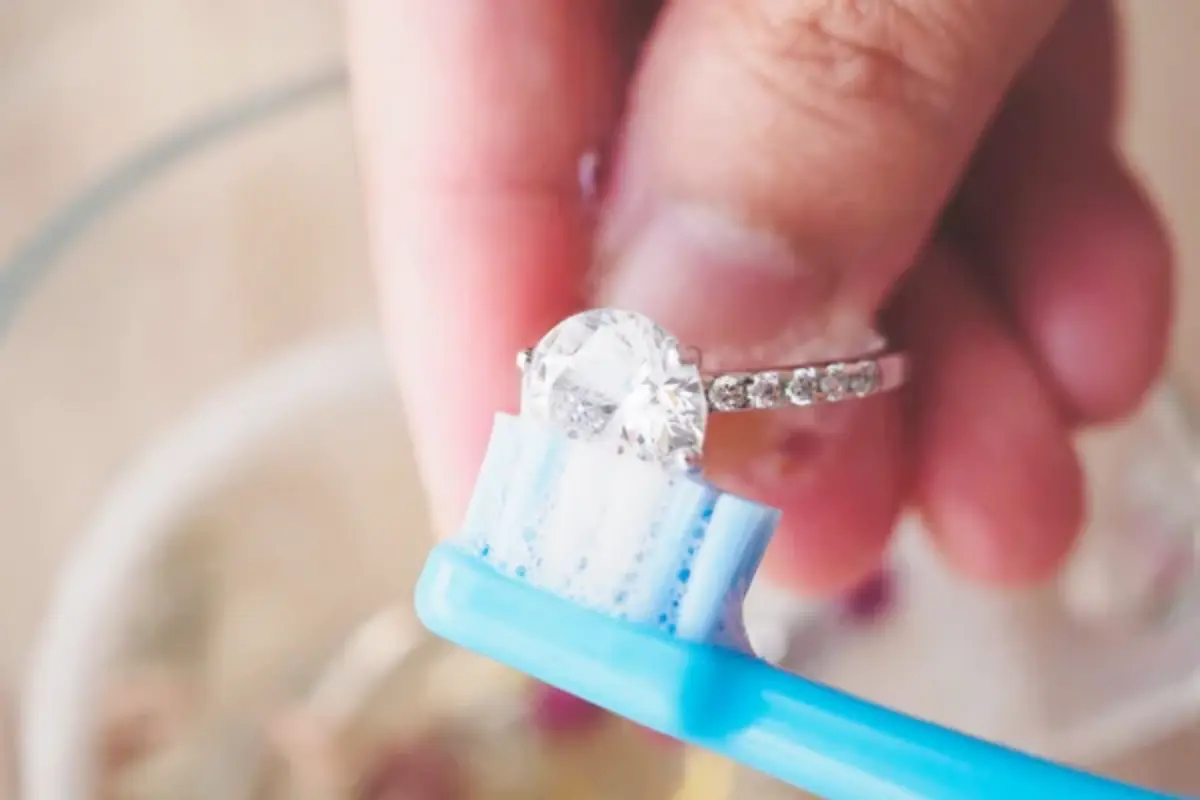
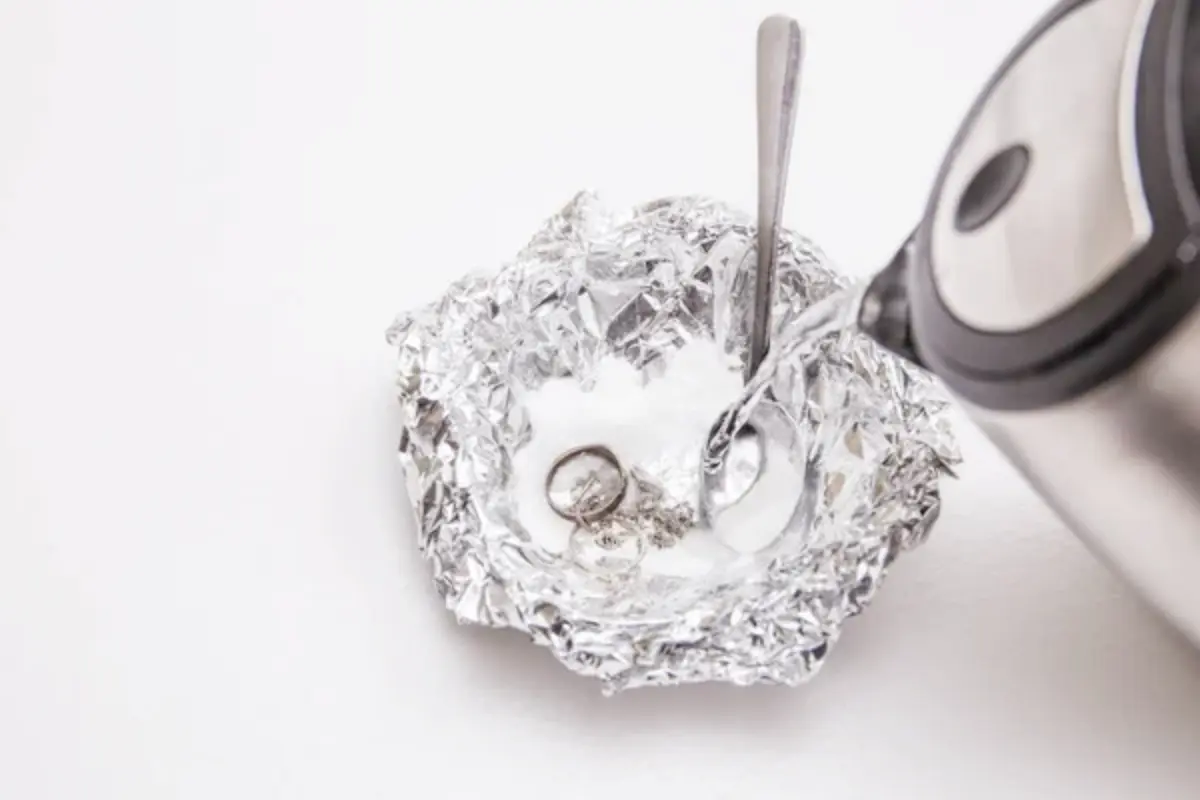
Even seemingly minor cleaning issues can lead to common pitfalls. For example, wiping jewelry directly with alcohol can irritate the skin. Frequent use of hydrogen peroxide can lead to over-cleaning, which hinders the skin’s natural healing process. Using hard cleaning tools, such as a toothbrush, to clean jewelry can scratch the surface and damage its appearance. Similarly, exposing jewelry to hot water may damage the material.
Small Details Often Overlooked
Paying attention to small details in daily life can reduce the frequency of cleaning and avoid many safety hazards. First, when wearing jewelry daily, regularly inspect its structure to check if screws on items like eyebrow studs or lip rings are loose, or if there are scratches on the surface. If issues are found, replace the item rather than attempting to clean it. Next, when applying makeup, be mindful of whether foundation or spray has accumulated around the jewelry; if so, it’s recommended to give it a quick clean that same day. Finally, during your daily shower, gently pat the pierced areas dry afterward (especially the ears and navel, as moist environments are more prone to bacterial growth).
Clean jewelry is the safest form of adornment.
Piercing jewelry has become a widely accepted trend, representing a way for people to pursue beauty and body art. Of course, beauty also requires protection. Therefore, we must learn to clean our piercing jewelry regularly so that it can continue to shine with beauty.