
Traditional belly piercings have been seen as one of the “easy” piercings, and plenty of people have wanted to get them. But while a lot of people love the look, failed navel piercings are also common. That’s because belly piercings are actually closely connected to individual anatomy.
Many failed navel piercings are not caused by “bad healing habits.” In many cases, the person’s anatomy simply is not suitable for a traditional placement. Floating navel piercings fit real body anatomy much better, which is one of the biggest reasons they suddenly exploded on TikTok.
So What Exactly Is a Floating Navel Piercing?
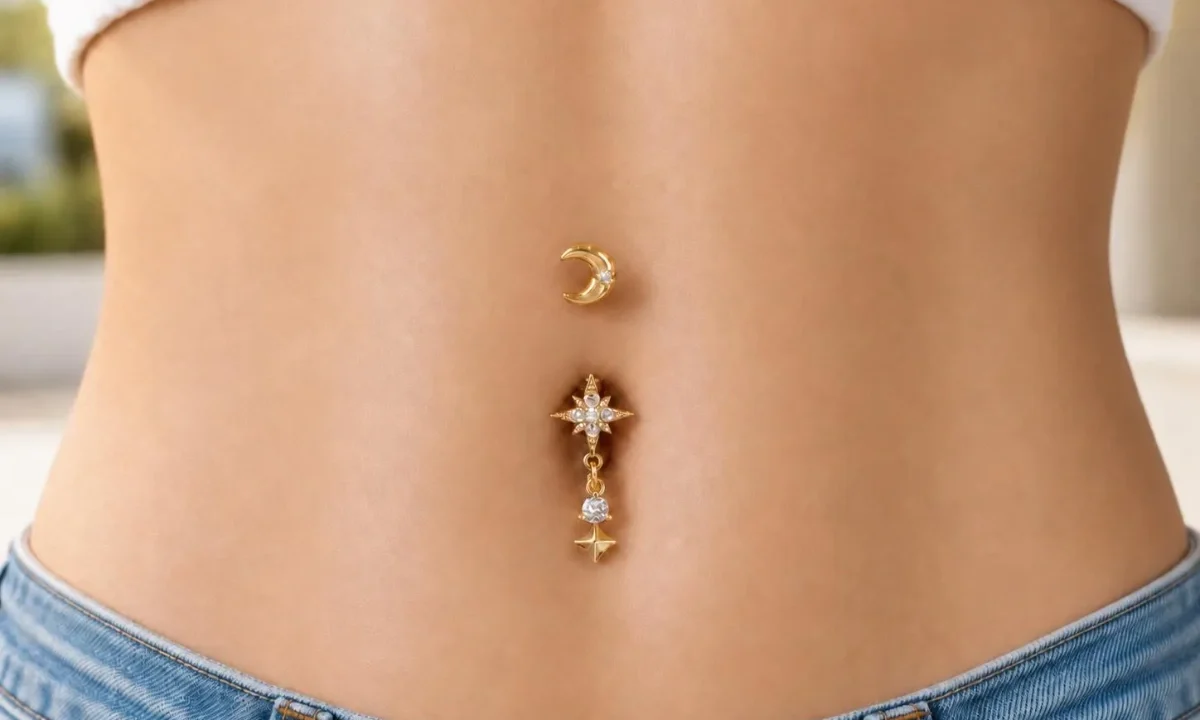
A floating navel piercing is a modified version of the traditional belly piercing.
Unlike traditional belly jewelry with large decorative ends on both sides, floating navel jewelry has a flatter or smaller bottom end that sits more comfortably inside the navel. The decorative end stays on top, creating the “floating” look that people keep talking about online.
This style works especially for navels that collapse, fold, or compress while sitting down.
Traditional belly rings can create constant pressure inside the navel, leading to irritation, migration, and long-term healing issues. Floating navel jewelry reduces some of that pressure by changing how the jewelry rests against the body.
That is why many professional piercers now recommend floating navel piercings instead of forcing traditional placements on anatomy that may not be suitable for them.
Why Did Floating Navel Piercings Become Popular So Quickly?
Part of the reason is the aesthetic.
Compared to early 2000s Y2K-style belly rings, floating navels look cleaner, softer, and more minimal. Modern jewelry styles feel refined and lightweight.
But the bigger reason is accessibility.
For years, many clients walked into piercing studios hoping to get a belly piercing, only to leave disappointed after hearing that their anatomy “wasn’t suitable.”
Now there is another option.
More people have started realizing:
- stomachs naturally fold while sitting
- everybody’s anatomy is different
- belly piercings are not one-size-fits-all
“perfect piercing anatomy” is far less common than social media makes it seem
That honesty made floating navels feel refreshing instead of restrictive.
The Reality of Healing After a Navel Piercing
Older piercing content made belly piercing healing seem effortless. In reality, navel piercings can be stubborn to heal.
Even floating navel piercings still require:
- staying relaxed and allowing the piercing enough time to heal properly
- correctly sized jewelry that fits the piercing width comfortably
- avoiding intense physical activity and reducing friction
- consistent aftercare and realistic expectations
Tight waistbands, workouts, sleeping positions, and clothing snagging can all irritate healing tissue.
Floating navels can sometimes develop minor swelling or irritation during healing, but that does not automatically mean the piercing is rejecting. Online discussions can make it seem like every small bump is a disaster, but that is not always true.
At the same time, every surface piercing still carries some risk of rejection. Even perfect anatomy and excellent aftercare cannot completely eliminate that risk.
Choosing the Right Jewelry Matters
Jewelry plays a major role in both comfort and healing.Many professional piercers recommend internally threaded or threadless titanium jewelry during healing because it reduces irritation and provides a more secure fit.
That is why many people now prefer modern floating navel jewelry instead of the oversized belly rings that were popular in the early 2000s.
Some of the newer styles from Gagabody follow this exact trend — cleaner settings, lighter decorative tops, and floating navel styles designed for comfortable everyday wear.
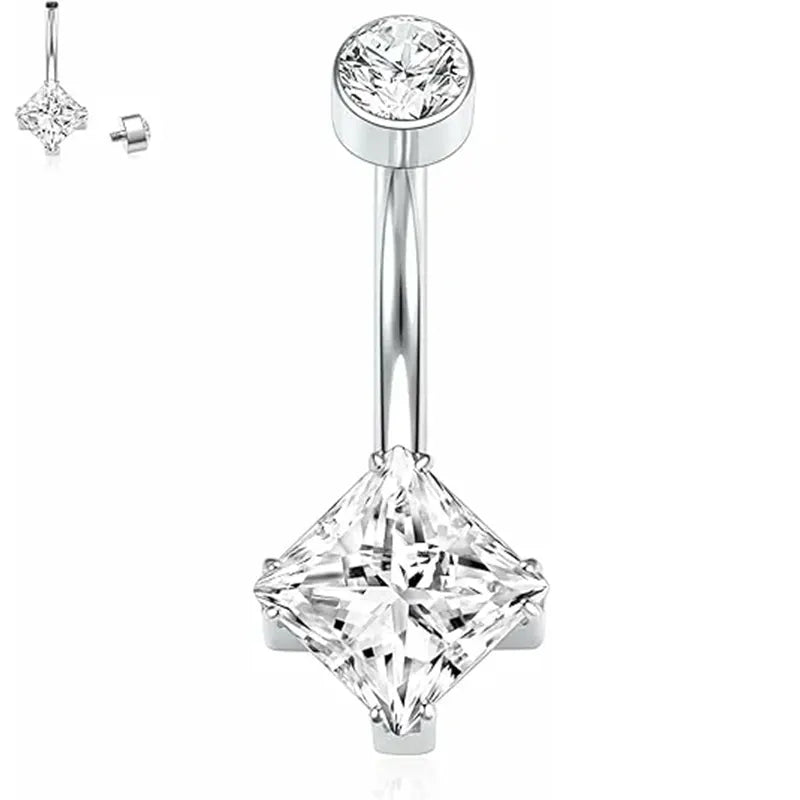
Sparkling Titanium CZ Floating Navel Ring
This belly ring focuses on a clean and elevated minimalist look using G23 titanium material. The square-cut clear CZ stone is secured with a prong setting instead of glue. The internally threaded barbell design also makes insertion smoother and reduces friction during wear.
The silver finish paired with clear CZ creates a versatile and polished look that fits perfectly with today’s minimalist belly jewelry aesthetic in the United States.
Elegant G23 Titanium CZ Belly Ring With Beaded Design
Compared to more basic styles, this design leans more toward an elegant decorative look.
The small top CZ stone combined with the lower beaded design creates a softer flowing shape that adds more visual layering. The highly polished surface feels smoother during wear, while the sparkling clear CZ details make it perfect for everyday outfits, swimwear styling, or summer low-rise fashion.
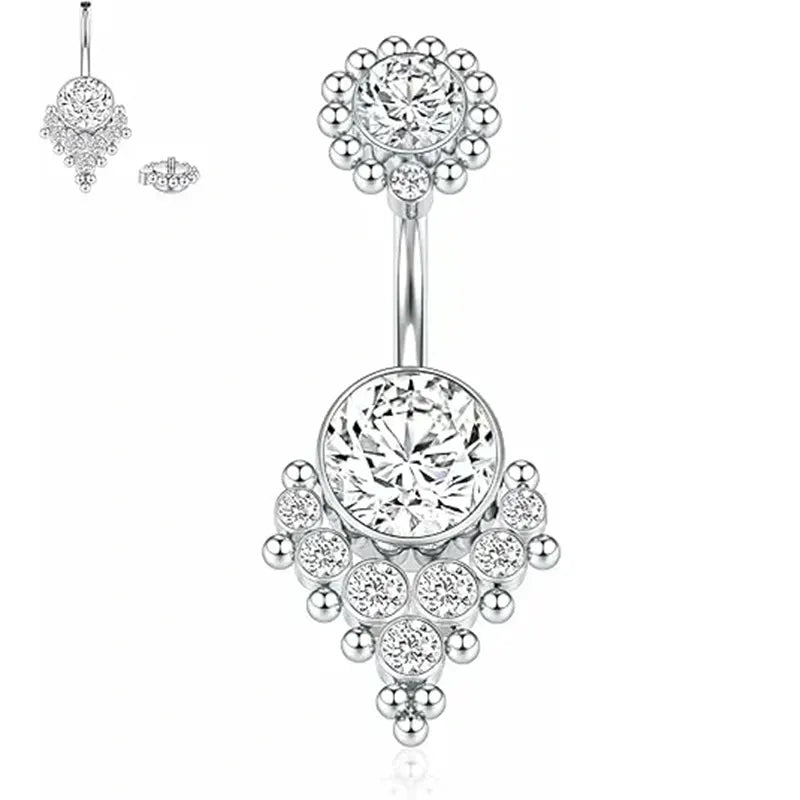
Floral CZ Belly Ring
This floral-inspired belly ring has a feminine and luxury-inspired feel.
The design takes inspiration from natural flowers, with soft and delicate details that beautifully highlight the waistline. Weighing around 1 gram, it feels lightweight and comfortable for daily wear.
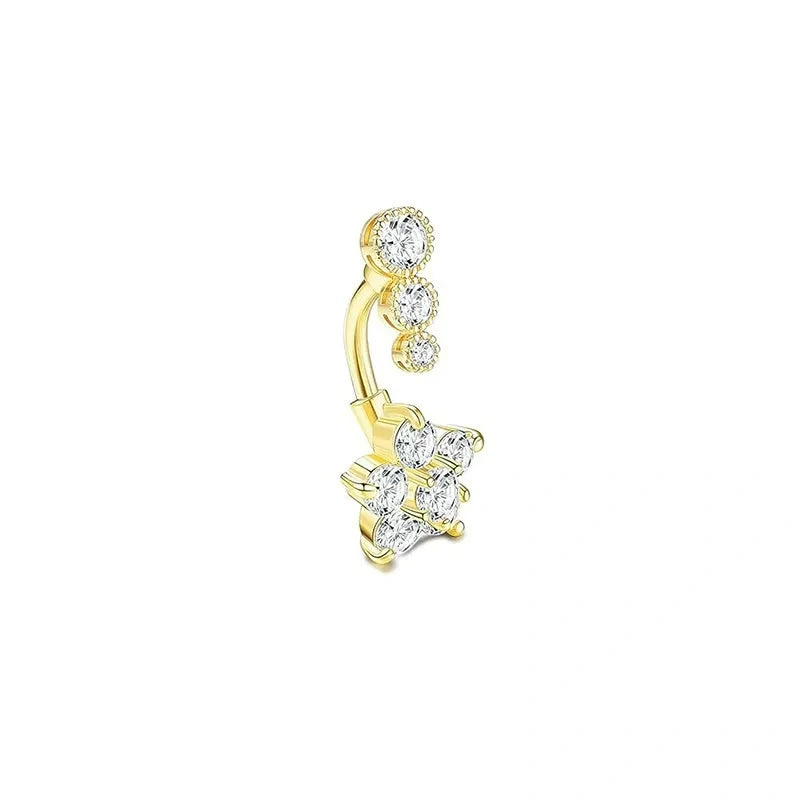
Skull Belly Ring
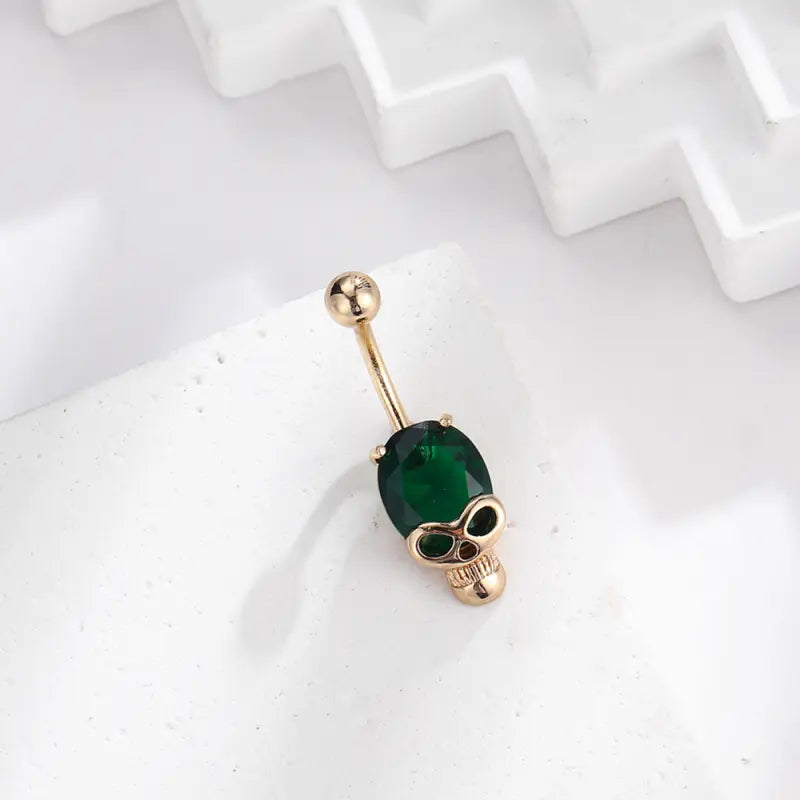
Compared to the previous styles, this skull belly ring clearly leans toward a more alternative aesthetic.
The silver skull combined with sparkling stones creates a gothic and Y2K punk-inspired vibe. It works especially for people who enjoy bold styling, alternative fashion, or darker aesthetics.
Floating Navel Piercing vs Traditional Belly Piercing
Neither option is naturally “better” than the other. Everything depends on individual anatomy.
Before performing the piercing, a professional piercer should always evaluate:
- how much the navel collapses while sitting
- the thickness of the tissue and surrounding skin
- pressure points around the area
- the risk of irritation or rejection
- jewelry positioning and placement
A proper anatomy assessment matters far more than online trends.
One of the biggest mistakes people make is chasing a specific piercing style without considering whether the placement is actually sustainable for their body long term.
Why This Trend Matters
Floating navel piercings became popular because they quietly changed an important idea within piercing culture.The focus shifted away from chasing the idea of a “perfect body” and moved toward understanding real anatomy instead.
People are no longer only hearing:
“Your anatomy is not suitable for this piercing.”
Now, more clients are hearing:
“Here’s an option that may work better for your anatomy.”